
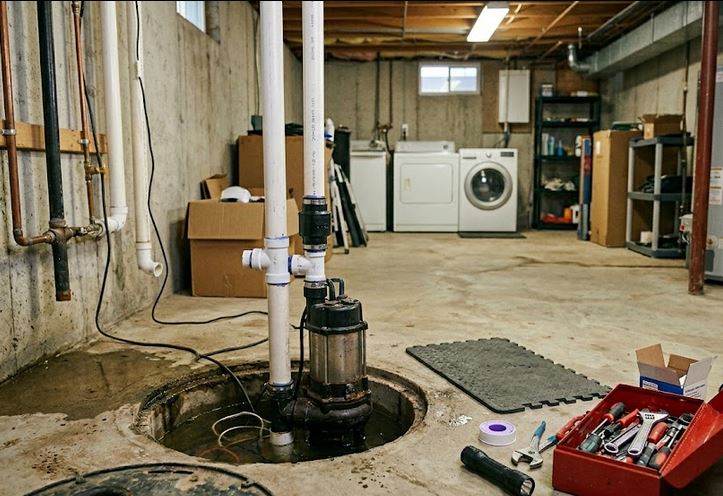
Why Sump Pumps Are Important for Basement Protection
If you’ve ever had a flooded basement, you know it’s a problem you definitely don’t want to deal with twice. Here in Lee’s Summit, Missouri, we see plenty of heavy rainstorms and rising groundwater that can put homes at risk. That’s why at Bill Fry The Plumbing Guy, we often remind homeowners how important a reliable sump pump is for protecting their basement from water damage.
A sump pump has one simple but critical job: it collects excess water around your foundation and pumps it safely away from your home before it can cause problems. When everything is working properly, you may hardly notice it’s there. But when a sump pump fails, it can quickly lead to soaked carpets, damaged drywall, and costly repairs. That’s why the team at Bill Fry The Plumbing Guy believes understanding how your sump pump works—and recognizing common problems early—can help you prevent bigger issues down the road.
Common Causes of Sump Pump Failure
Sump pumps are hardworking machines, but like any piece of equipment, they can run into problems over time. Many failures happen because of normal wear and tear, while others come from installation issues or lack of maintenance.
Power Failures and Electrical Problems
Storms often bring heavy rain and power outages at the same time—exactly when your sump pump needs to work the most. If your pump loses power and you don’t have a backup system, water can quickly build up in the sump pit and overflow into your basement.
Clogged or Frozen Discharge Lines
The discharge line carries water away from your home. If it gets blocked with debris, dirt, or ice during winter months, water can’t escape. Even if the pump is running perfectly, the pit will eventually fill and overflow.
Mechanical Failures and Worn-Out Parts
Over time, important components like the motor, impeller, and bearings can wear down. When these parts fail, your pump may run inefficiently—or stop working entirely.
Improper Installation or Incorrect Pump Size
Not all sump pumps are the same. If a pump is too small for your home or installed incorrectly, it may struggle to keep up during heavy rainstorms. This can lead to continuous running, poor drainage, or overflow.
Excessive Rainfall and Rising Groundwater
Sometimes your sump pump is working fine—but Mother Nature is just throwing too much water at it. Extended storms or rapidly rising groundwater can overwhelm a pump that isn’t designed for high capacity.
Lack of Routine Maintenance
Like any plumbing system, sump pumps need regular attention. Skipping maintenance allows small issues to turn into bigger ones, often at the worst possible time.
Signs Your Sump Pump May Be Failing
Your sump pump usually gives warning signs before it completely fails. Catching these early can save you from a flooded basement.
The Pump Won’t Turn On
If the water level rises and the pump doesn’t activate, the issue could be electrical, mechanical, or related to the float switch.
Continuous Running or Short Cycling
A pump that runs constantly—or turns on and off repeatedly—could have a stuck float switch or a system that’s struggling to keep up.
Strange Noises or Vibrations
Grinding, rattling, or loud humming often means something is wrong inside the pump, such as a damaged impeller or worn bearings.
Water Remaining in the Sump Pit
If water stays in the pit after the pump runs, it could mean the pump isn’t strong enough or there’s a blockage in the system.
Water Backflow or Basement Overflow
Without a properly functioning check valve, water can flow back into the pit after it’s pumped out, forcing the pump to work harder.
Visible Rust or Corrosion
Rust is common on older pumps, but excessive corrosion can weaken components and lead to eventual failure.
Common Sump Pump Problems Homeowners Face
Here are some of the most frequent sump pump issues we see in homes around Lee’s Summit:
- Pumps that run but fail to remove water due to clogged intakes or damaged impellers
- Float switches that get stuck or stop triggering the pump properly
- Check valves that allow water to flow back into the sump pit
- Debris buildup that blocks water from entering the pump
- Backup battery systems that fail during power outages
Even small issues like these can quickly escalate if they’re ignored.
How to Prevent Sump Pump Problems
The best way to avoid sump pump emergencies is with regular maintenance and proactive care.
Schedule Regular Maintenance and Inspections
Testing your pump a few times a year helps ensure it activates when needed. Pouring water into the sump pit is a simple way to confirm it turns on and pumps properly.
Keep the Sump Pit and Discharge Line Clean
Removing debris from the sump pit and checking the discharge line for clogs helps water move freely through the system.
Install a Battery Backup System
A battery backup ensures your pump continues running even during power outages—a common issue during major storms.
Ensure Proper Pump Sizing for Your Home
Choosing the right pump capacity is essential. A pump that’s too small will struggle during heavy rainfall.
Improve Basement Drainage Systems
Proper drainage around your home helps reduce the amount of water your sump pump has to handle in the first place.
When to Repair or Replace Your Sump Pump
Most sump pumps last between 7 and 10 years, depending on how often they run and how well they’re maintained. If your pump is getting older, making unusual noises, or requiring frequent repairs, it might be time for a sump pump replacement.
Upgrading to a newer system can provide better reliability, improved efficiency, and stronger protection against flooding.
Why Professional Sump Pump Service Matters
While homeowners can handle basic maintenance, diagnosing and repairing sump pump problems often requires professional experience. Proper installation, system sizing, and inspections can make the difference between a pump that barely keeps up and one that protects your home reliably.
Working with a knowledgeable plumbing professional ensures your sump pump system is ready when storms hit.
Final Thoughts on Keeping Your Sump Pump Working Properly
Your sump pump may not be the most glamorous part of your home, but it’s definitely one of the most important when it comes to protecting your basement. By understanding common problems, watching for warning signs, and performing regular maintenance, you can keep your system working efficiently for years to come.
And if you ever have questions or notice something that doesn’t seem right, don’t hesitate to reach out to Bill Fry The Plumbing Guy here in Lee’s Summit, MO—we’re always happy to help keep your basement dry and your home protected.