
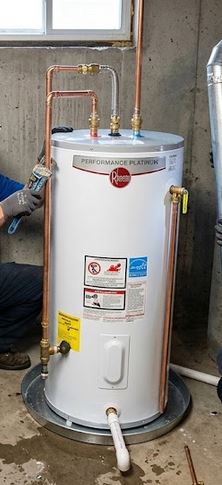
Hot water is one of those things you don’t think much about—until it suddenly disappears. Whether you’re taking a shower, washing dishes, or running laundry, your water heater plays a huge role in keeping your home comfortable. At Bill Fry The Plumbing Guy in Lee’s Summit, MO, we’ve helped countless homeowners figure out whether their water heater simply needs a repair or if it’s time for a full replacement.
The truth is, not every water heater problem means you need a brand-new system. Sometimes a quick repair is enough to get things back on track. Other times, continuing to pour money into an aging unit can end up costing more in the long run. Here’s how to tell the difference.
Common Signs Your Water Heater Is Failing
Water heaters rarely fail without warning. In many cases, they’ll show signs that something isn’t working properly long before they completely stop producing hot water.
Some of the most common symptoms include inconsistent water temperature, unusual noises, rusty water, leaks, and reduced hot water supply. If you notice any of these issues, it’s a good idea to have your system inspected by a professional plumber.
How Long Does a Water Heater Typically Last?
Most traditional tank water heaters last between 8 and 12 years. Tankless water heaters can often last 15 to 20 years with proper maintenance. Of course, the lifespan depends on factors like water quality, maintenance history, and how heavily the system is used.
If your unit is approaching the 10-year mark and experiencing problems, replacement is often the smarter financial decision.
Signs It’s Time to Replace Your Water Heater
There comes a point when repairs simply aren’t worth the investment anymore. An older water heater that constantly breaks down can become a drain on your wallet and your patience.
If your system is over 10 years old, needs frequent repairs, or struggles to keep up with your household’s hot water demands, replacing it may save you money over time.
Newer water heaters are also far more energy-efficient than older models, which means lower monthly utility bills and better overall performance.
Water Leaks and Rust: Serious Warning Signs
Leaks and rust are two of the biggest indicators that your water heater may be nearing the end of its life.
Rust-colored water often points to corrosion inside the tank. Once the inside of the tank begins rusting, the damage cannot typically be reversed. Similarly, water pooling around the base of the unit may indicate cracks caused by years of heating and cooling cycles.
These issues can quickly lead to major water damage if ignored, so replacement is usually the safest option.
Why Your Water Heater May Not Heat Properly
If your hot water runs out too quickly or never seems hot enough, several things could be happening. Sediment buildup inside the tank can create a barrier between the heating element and the water, making the system work harder than it should.
In some cases, the thermostat settings may simply need adjustment. Other times, worn-out heating components are to blame. A professional inspection can help determine whether a repair will solve the issue or if replacement makes more sense.
Strange Noises Coming From Your Water Heater
Popping, rumbling, or banging noises are often caused by sediment buildup at the bottom of the tank. As the water heats up, trapped sediment hardens and causes overheating, creating those unusual sounds.
While flushing the tank can sometimes help, persistent noise in an older system may indicate that the unit is wearing out internally.
How an Old Water Heater Increases Energy Bills
Older water heaters lose efficiency over time. They use more energy to heat the same amount of water, especially when sediment buildup forces the system to work harder.
If you’ve noticed rising utility bills without a clear explanation, your water heater could be part of the problem. Upgrading to a modern energy-efficient unit can significantly reduce energy consumption and monthly costs.
Frequent Repairs vs. Replacement Costs
One of the biggest questions homeowners face is whether continuing repairs is worth it. A good rule of thumb is this: if repair costs are approaching 50% of the price of a new water heater, replacement is usually the better investment.
Frequent repairs can add up quickly, and older systems often continue developing new problems even after one issue is fixed.
Tank Water Heater vs. Tankless Water Heater
If you’re replacing your water heater, you may also want to consider upgrading to a tankless model. Tankless water heaters provide hot water on demand and tend to last longer than traditional tank systems.
Traditional tank water heaters are generally more affordable upfront, while tankless units offer better long-term efficiency and energy savings. The right choice depends on your household size, water usage, and budget.
Benefits of Upgrading to a New Water Heater
Installing a new water heater offers several advantages beyond reliable hot water. Modern systems are designed for improved efficiency, safety, and performance.
Benefits of upgrading include:
- Lower energy bills
- Better hot water consistency
- Faster recovery times
- Reduced risk of leaks and water damage
- Improved energy efficiency
- Longer system lifespan
- Enhanced safety features
For many homeowners, replacing an outdated unit provides both peace of mind and long-term savings.
Maintenance Tips to Extend Water Heater Lifespan
Routine maintenance can help your water heater last longer and operate more efficiently. Simple steps like flushing the tank annually, checking the anode rod, and testing the pressure relief valve can prevent major problems from developing.
Scheduling regular plumbing inspections can also help catch small issues before they become costly repairs.
Repair vs. Replace: How to Make the Right Decision
Every water heater situation is different. Sometimes a simple repair can restore your system and keep it running smoothly for years. Other times, replacing an aging or failing unit is the smarter long-term investment.
The key is considering the age of the system, repair costs, energy efficiency, and overall reliability. If you’re unsure which option is best, a trusted plumbing professional can help you evaluate your choices honestly and clearly.
Final Thoughts on Water Heater Replacement and Repair
Your water heater is one of the hardest-working appliances in your home, and knowing when to repair or replace it can save you time, money, and stress. Paying attention to warning signs like leaks, rust, inconsistent heating, and rising energy bills can help you avoid unexpected breakdowns and costly water damage.
If your water heater is giving you trouble, don’t wait until you’re stuck without hot water. Reach out to Bill Fry The Plumbing Guy in Lee’s Summit, MO for expert water heater repair and replacement services you can trust.