
Grinder Pump Services in Lees Summit MO
At Bill Fry The Plumbing Guy, we provide professional plumbing solutions for homeowners throughout Lee’s Summit, MO. With more than 25 years of plumbing experience, our team understands the importance of accurate diagnosis, dependable workmanship, and clear communication when dealing with complex plumbing systems.
What Are Grinder Pump Services?
Grinder pump services include professional inspection, diagnosis, repair, maintenance, and installation-related plumbing work for wastewater pumping systems that use a grinder pump. These systems collect wastewater in a tank, grind solid waste into smaller particles, and pump the resulting slurry through a pressurized discharge line toward the sewer system.
Grinder pump systems are particularly useful when a property cannot depend on gravity alone to move wastewater to the sewer. They may be used for properties at a lower elevation than the sewer line, locations requiring wastewater to travel uphill, or applications where a pressurized sewer system is necessary.
For homeowners in Lee’s Summit, a grinder pump is an important part of the plumbing system when the property’s wastewater cannot simply flow to the sewer through gravity.
What Is a Grinder Pump, and How Does It Work?
A grinder pump is a specialized wastewater pump equipped with a cutting mechanism that reduces solid waste before pumping wastewater through a pressurized discharge pipe. Unlike a conventional gravity sewer arrangement, the system uses electrical power to collect, process, and move wastewater toward the sewer connection.
The process generally works like this:
- Wastewater enters the holding tank. Water from toilets, sinks, showers, washing machines, and other fixtures flows into the grinder pump basin.
- The wastewater reaches a preset level. A level-control system detects when the tank has accumulated enough wastewater.
- The pump activates. The grinder pump motor starts automatically.
- Solid waste is reduced. Cutting components grind solids into smaller particles.
- Wastewater is pumped out. The pump pushes the processed wastewater through a pressurized discharge line toward the sewer system.
- The pump shuts off. Once the wastewater level drops to its designated level, the system stops until the tank fills again.
A typical grinder pump system includes more than the pump itself. The tank, pump assembly, level controls, piping, valves, electrical components, and alarm system all contribute to proper operation.
That is why diagnosing a grinder pump problem requires looking at the entire system rather than automatically assuming the pump motor is the problem.
Signs You May Need Grinder Pump Repair
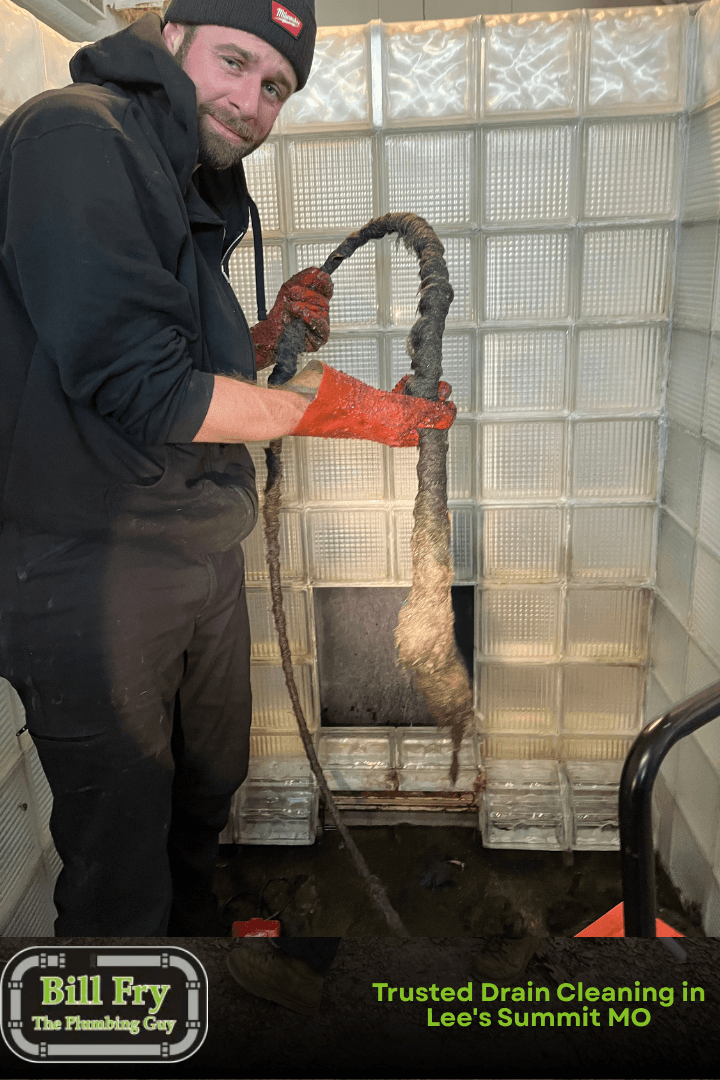
Grinder pump problems can develop gradually or appear suddenly. Recognizing unusual behavior early gives you a better opportunity to address the underlying issue before wastewater backs up.
Watch for signs such as:
- A high-water or pump alarm activating
- The pump refusing to start
- The pump running continuously or much longer than expected
- Repeated cycling
- Sewage odors around the pump system
- Wastewater backing up into the home
- Wastewater accumulating around the tank area
- Unusual sounds from the pump system
- A circuit breaker repeatedly tripping
- Fixtures draining poorly in conjunction with grinder pump problems
A grinder pump that will not start can have several potential causes, including electrical problems, a blocked cutter, level-control problems, a failed component, or issues with the discharge system. Manufacturer service documentation lists multiple possible failure conditions, which is why professional diagnosis is important.
What Causes a Grinder Pump to Stop Working?
There is no single reason every grinder pump fails. The cause can range from an electrical problem to a blockage or malfunctioning control component.
Common possibilities include:
Electrical Problems
Because grinder pumps require electricity, a problem with the power supply, breaker, wiring, or internal electrical components can prevent the system from operating properly.
Clogged or Obstructed Cutting Components
The grinder mechanism is designed to reduce solids in wastewater, but inappropriate materials can interfere with the cutting system. Fibrous or non-degradable materials can contribute to blockages and mechanical problems.
Float or Level-Control Problems
The pump relies on a mechanism or sensor to determine when wastewater has reached the activation level. If that control fails or becomes obstructed, the pump may not start when it should or may operate incorrectly.
Discharge-Line or Check-Valve Problems
The pump needs an unobstructed path to move wastewater away from the tank. Problems involving the discharge piping, valves, or related components can interfere with proper pumping.
Motor or Pump Component Failure
Mechanical wear, overheating, damaged components, or other internal failures can eventually prevent the pump from operating correctly.
The important point is that a grinder pump alarm does not automatically mean you need a complete replacement. A professional inspection can help determine whether the problem is repairable or whether replacement is the more appropriate solution.
Grinder Pump Installation and Replacement Considerations
When a grinder pump reaches the end of its service life or the existing equipment is no longer appropriate for the application, replacement requires more than simply selecting a pump and installing it.
The complete system should be evaluated, including:
- Wastewater flow requirements
- Pump capacity
- Required pumping distance
- Elevation changes
- Discharge piping
- Tank and basin configuration
- Electrical requirements
- Level controls
- Alarm components
- Check valves and related plumbing components
Grinder pump systems are designed for specific applications. Manufacturers emphasize that system selection depends on factors such as the wastewater application, piping arrangement, and pumping requirements.
At Bill Fry The Plumbing Guy, our approach is to understand the plumbing problem first rather than recommend equipment without considering the overall system.
How Often Should a Grinder Pump Be Serviced?
There is no universal service interval that applies to every grinder pump because maintenance requirements can vary according to the equipment, installation, manufacturer recommendations, and operating conditions.
Some manufacturer guidance recommends periodic inspection of components such as the basin, level controls, and check valve, while certain grinder pump models have more specific inspection and rebuild intervals.
For homeowners, the practical approach is to pay attention to changes in system performance and follow the maintenance recommendations applicable to the specific pump installed at the property.
Professional service can help identify:
- Grease or debris accumulation
- Problems with level controls
- Abnormal pump operation
- Valve issues
- Electrical concerns
- Discharge restrictions
- Mechanical wear
- Alarm-system problems
If your grinder pump has not been inspected in a long time, or if it is behaving differently than it normally does, scheduling an evaluation can help identify developing problems before they become an emergency.
Grinder Pump Maintenance and Wastewater System Care
Proper use of your plumbing system can help reduce unnecessary stress on wastewater equipment.
Avoid putting inappropriate materials down toilets and drains. Grinder pumps are designed to process wastewater and solids for which the system was intended, not every type of household waste. Public wastewater guidance specifically warns against flushing or pouring items such as wipes, diapers, kitty litter, paint, oil, and other inappropriate materials into plumbing systems.
You should also pay attention to changes in normal operation.
A system that previously ran normally but suddenly:
- Activates much more frequently
- Takes noticeably longer to pump down
- Produces unusual noises
- Triggers an alarm
- Stops operating
- Causes wastewater backups
deserves prompt professional attention.
Early evaluation may help prevent a relatively contained equipment problem from becoming a larger wastewater or plumbing emergency.
Why Choose Bill Fry The Plumbing Guy?
Homeowners want more than a quick repair when wastewater equipment stops working. They want a plumbing company that communicates clearly and treats their property with care.
Bill Fry The Plumbing Guy brings:
- More than 25 years of plumbing experience
- Licensed and insured master plumber and gas fitter expertise
- Service for Lee’s Summit and surrounding communities
- Emergency plumbing availability
- Upfront, transparent pricing
- Residential and commercial plumbing solutions
- A commitment to quality workmanship and customer satisfaction
We understand that plumbing problems involving wastewater can be stressful. That is why we focus on practical solutions and professional service from diagnosis through completion.
A grinder pump is an important part of your wastewater system, and problems should not be ignored. If you are experiencing an alarm, backup, unusual pump behavior, or another concern, Bill Fry The Plumbing Guy is ready to help you evaluate the plumbing issue and determine the appropriate next step.
We proudly serve Lee’s Summit and surrounding communities with professional plumbing services and emergency assistance. Contact Bill Fry The Plumbing Guy thru our online contact form to request service.
When wastewater equipment is giving you trouble, don’t wait for a backup to make the decision for you. Contact Bill Fry The Plumbing Guy today to discuss your grinder pump service needs in Lee’s Summit, MO.
-Photoroom.webp)
Frequently Asked Questions About Grinder Pump Services
A grinder pump alarm indicates that the wastewater level or system operation needs attention. Reduce water use and arrange professional service promptly, particularly if the alarm remains active or wastewater is backing up.
No. Grinder pump systems are designed for wastewater and appropriate solids, not every type of household waste. Items such as wipes, diapers, kitty litter, grease, oil, and other inappropriate materials can contribute to blockages or system problems.
Replacement may be appropriate when the equipment has reached the end of its service life, has significant mechanical damage, or is no longer suitable for the property's pumping requirements. A professional evaluation can determine whether repair or replacement makes more sense.
Specials & Exclusive Offers
.webp)
Exterior Drain Cleaning + Free Camera Inspection
$149
Disclaimer:
*All specials, promotions, and discounts listed on this page are subject to change without prior notice. Offers are valid for a limited time only and may not be combined with other discounts, coupons, or promotions unless otherwise stated. Specials must be mentioned at the time of scheduling and presented to the technician during service to qualify. Availability of promotions may vary by service area and are subject to technician verification. Additional fees may apply for after-hours service, specialty parts, or complex installations. Bill Fry the Plumbing Guy, reserves the right to modify or discontinue any promotion at any time.
Please contact our office at (816) 828-BILL (2455) for the most up-to-date information on current offers.