
Meet Bill Fry The Plumbing Guy, Lee's Summit's go-to plumbing guy. Bill has been elbow-deep in more water heaters than he can count, and if there's one thing he's learned, it's that most people don't think about their water heater until it stops working. Then suddenly it's the most important appliance in the house.
So grab a cup of coffee (made with hot water, ironically) and let's talk about water heater services — what they involve, what to watch for, and how to keep the hot water flowing without any nasty surprises.
Understanding the Role of a Water Heater Service Technician
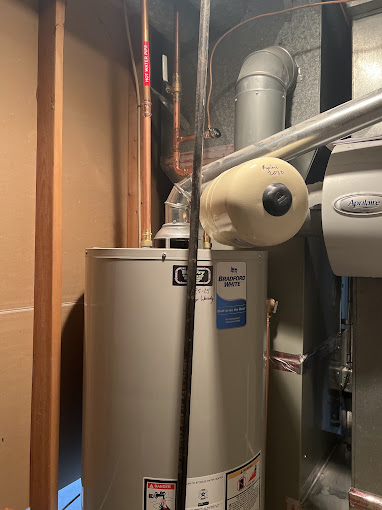
A water heater service technician — like Bill — is basically part detective, part mechanic, and part safety inspector. Bill and his team install new units, repair the ones acting up, keep healthy ones running smoothly with maintenance, and replace the ones that are past their prime. Water heaters mix gas, electricity, high pressure, and scalding hot water all in one metal tank, so this isn't really a "watch a YouTube video and wing it" kind of job. It takes real know-how to do it safely.
Types of Water Heaters Bill Services
Here in Lee's Summit, Bill runs into all kinds of setups. His team handles:
- Tank Water Heaters — both electric and gas
- Tankless Water Heaters — for those on-demand hot water systems
- Electric Water Heater Services — from wiring issues to element replacements
- Gas Water Heater Services — pilot lights, gas valves, burners, you name it
Every type has its own quirks, and honestly, that's part of the fun of the job for Bill — no two service calls are exactly alike.
Common Water Heater Problems & Early Warning Signs
A water heater usually tries to tell homeowners something's wrong before it fully gives up. Bill recommends keeping an eye (and ear) out for these common issues.
Top Issues Homeowners Face
If Bill had a nickel for every time he found sediment buildup at the bottom of a tank, he could probably retire early. But here's the rundown of what he sees most often on service calls around Lee's Summit:
- Sediment buildup — minerals settling at the bottom of the tank, making the heater work overtime
- Heating element burnout — common in electric units, usually from sediment covering the element
- Pilot light failure — a gas water heater classic, often tied to a bad thermocouple
- Cracked dip tubes — cold water mixing with hot, leaving homeowners with lukewarm showers
- Tank corrosion — the point of no return where replacement becomes the only real option
Red Flags: When a Technician Is Needed ASAP
Some issues can wait a few days. Others cannot. If there's water pooling around the base of the unit, rusty water coming out of the tap, a rotten egg smell, or the heater is over 10 years old and acting up — Bill says don't wait around. Call a professional before a small problem turns into a flooded basement.
How Bill Diagnoses and Repairs Water Heaters
When Bill shows up to a job, he doesn't just start swapping parts and hoping for the best. He walks through the symptoms with the homeowner, does a full visual inspection, runs operational tests, and checks the specific components — thermostats, heating elements, gas valves, pressure relief valves — depending on the type of unit. Once he knows exactly what's going on, he explains it in plain English (no confusing jargon) before getting to work on the fix.
Can Homeowners DIY or Should They Call a Professional?
Bill is all for a little home repair confidence. Resetting a breaker or adjusting the temperature dial? Go for it. But once it's gas smells, electrical issues beyond a tripped breaker, leaks, or anything that requires taking the unit apart — that's when it's time to call in a pro. Water heaters combine gas, electricity, and pressure, and that's not a combo anyone should gamble with.
Skills & Certifications to Look For
Not every handyman is cut out for water heater work. When hiring someone, Bill suggests making sure they're a licensed plumber, and if it's a heat pump water heater, looking for EPA 608 certification too. Beyond the paperwork, a good tech should be insured, background-checked, and up to date on the latest water heater tech and safety codes.
Questions to Ask Before Hiring a Water Heater Technician
Before letting anyone touch a water heater, Bill recommends asking these questions. A trustworthy company won't dodge a single one of them:
- How much experience do you have with this specific water heater type?
- Are you an authorized service provider for this unit's manufacturer?
- What are your service call rates, and how do you charge for parts and labor?
- Do you carry replacement parts in stock, or will there be a wait on an order?
- Do you offer a labor warranty or guarantee on your work?
Repair vs. Replacement: Making the Right Call
This is probably the question Bill gets asked the most. His rule of thumb: if the repair cost is going to run more than half the price of a brand new unit, or the water heater is already past 75% of its expected lifespan, it's usually smarter to just replace it. Tank water heaters typically last 8-12 years, while tankless models can go up to 20 years if they're well maintained.
Signs It's Time to Upgrade, Not Repair
If the tank itself is leaking or visibly corroded, that's a hard stop — tanks can't be patched up. Same goes for repeated repairs in a short span, constant thermostat issues, or a unit that just can't keep up with a household's hot water demand anymore. At that point, water heater replacement is the move, and Bill is happy to walk homeowners through their options.
Energy Efficiency & Cost Savings of Newer Models
Here's a fun fact Bill likes to share — today's water heaters are miles more efficient than what was on the market even 10 years ago. Upgrading to a newer, energy-efficient model can seriously cut down monthly utility bills, and depending on the unit, homeowners might even qualify for rebates. It's one of those upgrades that quietly pays for itself over time.
How to Choose the Right Water Heater Service Company Near You
Bill gets it — inviting someone into your home to mess with gas lines and electrical connections is a big deal. He advises checking that a company is properly licensed and insured, reading their reviews, and paying attention to how they handle the first phone call. Do they explain things clearly? Do they give a straight answer on pricing? That tells homeowners a lot about how the rest of the job is going to go.
Frequently Asked Questions
Do I need a plumber or an electrician for water heater issues?
In most cases, a licensed plumber who specializes in water heater services is the best bet — they understand the full system, not just one piece of it.
How often should I schedule water heater maintenance?
Bill recommends an annual check-up to flush sediment, inspect the anode rod, and test the pressure relief valve. It genuinely extends the life of the unit.
What's the average lifespan of a water heater?
Tank units typically last 8-12 years, while tankless systems can last up to 20 years with proper care.
Conclusion
At the end of the day, a water heater is one of those unsung heroes of the house — nobody notices it until it stops doing its job. Whether it's water heater installation, water heater repair, water heater maintenance, or a full water heater replacement, staying on top of the warning signs and scheduling regular check-ups will save homeowners money, hassle, and a whole lot of cold showers down the road.
If you're in Lee's Summit and your water heater is acting up — or it's just been a while since anyone's looked at it — give Bill Fry The Plumbing Guy a call or visit our contact us page, and let's get your hot water back on track.